The evolution of gambling a journey through time and culture
The Origins of Gambling
The origins of gambling can be traced back to ancient civilizations, where games of chance emerged as a means of entertainment and social bonding. Evidence suggests that the practice began with rudimentary forms of betting on events, such as the outcome of dice throws or animal fights. In ancient China, for instance, the earliest known lottery-like activities occurred around 200 BCE, highlighting the integration of luck and fate in societal rituals. These initial endeavors laid the groundwork for various gambling practices that would evolve across different cultures. Today, you can explore modern forms by visiting https://pincocasinos.com, which offers an extensive selection of games.
In ancient Rome, gambling gained notoriety as it became an integral part of leisure activities. Romans engaged in betting on gladiatorial contests and chariot races, often using their skills in dice games. The concept of wagering not only provided excitement but also reflected broader themes of fortune and destiny. These early instances of gambling helped to normalize the act, shaping societal attitudes toward risk and reward, which would continue to develop through the ages.
The transition from these ancient practices to more structured forms of gambling marked a significant evolution. The establishment of betting houses and the formalization of rules allowed for greater participation and organization. As societies advanced, gambling began to intertwine with commerce and social hierarchies, revealing much about cultural values and human psychology. This foundation set the stage for the diverse and complex world of gambling that we recognize today.
The Cultural Significance of Gambling
Gambling has often been more than mere entertainment; it serves as a reflection of cultural values and societal norms. In many cultures, gambling is intertwined with rituals and traditions, highlighting its role in communal activities. In indigenous cultures, for example, games of chance have been used as tools for decision-making and conflict resolution, revealing a deep-rooted significance beyond mere financial gain. These practices emphasize the importance of luck and fate within cultural narratives, providing a means for communities to bond and share experiences.
Throughout history, different societies have adopted unique forms of gambling that reflect their beliefs and customs. The popularity of card games in Europe, for instance, mirrors the region’s rich history of social interaction and strategy. Meanwhile, the rise of poker as a quintessential American pastime illustrates how gambling can evolve and adapt, often intertwining with national identity. Such cultural infusions continue to shape perceptions of gambling, influencing modern trends and preferences.
Moreover, the intersection of gambling with religion and morality often leads to complex attitudes toward the practice. While some cultures embrace gambling as a form of entertainment, others view it with suspicion, associating it with moral decay. This duality can be seen in various legislative measures that either promote or restrict gambling activities, further emphasizing the cultural significance of gambling across the globe. As we progress, understanding these cultural underpinnings is essential in recognizing the multifaceted nature of gambling.
The Rise of Modern Gambling
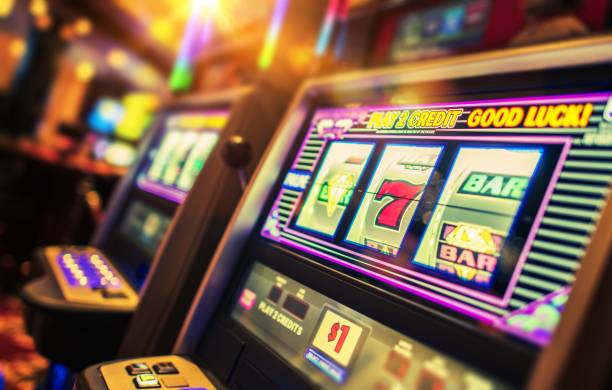
The 20th century marked a dramatic shift in the landscape of gambling, largely influenced by technological advancements and changes in societal attitudes. The introduction of casinos, particularly in places like Las Vegas, transformed gambling into a mainstream entertainment industry. These venues not only offered a wide range of games but also created an immersive experience that attracted millions of visitors. The glitzy atmosphere, combined with the thrill of chance, redefined the concept of gambling as a form of leisure.
As gambling gained popularity, it also faced various challenges, including social stigmas and legal restrictions. The rise of organized crime in the mid-20th century further complicated perceptions of gambling, leading to increased regulation and oversight. However, with time, the establishment of legal frameworks and oversight bodies helped legitimize the industry, paving the way for a more responsible gambling culture. This transition underscores the ongoing struggle between regulation and personal freedom in the gambling arena.
The advent of the internet in the late 20th century further revolutionized gambling by introducing online platforms. Online casinos and sports betting sites emerged, allowing users to engage in gambling activities from the comfort of their homes. This digital evolution has expanded access to a broader audience, breaking geographical barriers and creating an unprecedented level of convenience. However, it has also sparked debates about regulation, addiction, and responsible gaming practices, highlighting the need for continued dialogue in this evolving space.
The Global Impact of Gambling
Gambling’s impact is felt worldwide, shaping economies, cultures, and individual lives. In many countries, regulated gambling industries contribute significantly to national revenues through taxation and job creation. The establishment of casinos and betting shops not only fosters tourism but also provides a source of income for local communities. Countries like Macau and Singapore have become global gambling hubs, showcasing how strategic investments in the industry can yield remarkable economic benefits.
On the cultural front, gambling influences art, literature, and social interactions. From classic novels featuring card games to films centered around high-stakes poker, the allure of gambling captures the imagination of storytellers and audiences alike. These representations often reflect societal attitudes toward risk, ambition, and the human condition, adding layers of meaning to cultural expressions. The symbolic nature of gambling as a metaphor for life’s unpredictability resonates across various art forms.
Additionally, the social consequences of gambling cannot be overlooked. While it can serve as a source of entertainment and community bonding, it can also lead to addiction and financial difficulties for some individuals. The balance between enjoyment and responsibility is crucial, and ongoing education about the potential risks associated with gambling remains imperative. Understanding these complexities ensures that gambling can continue to be enjoyed while minimizing its negative impacts on society.

Pinco Casino: Embracing the Future of Gambling
Pinco Casino represents a modern evolution in the gambling landscape, combining traditional gaming with cutting-edge technology to create an immersive experience. With a comprehensive array of games and exciting bonuses, Pinco Casino caters to both casual players and seasoned enthusiasts. The user-friendly mobile app enhances accessibility, allowing players to enjoy their favorite games anytime, anywhere, reinforcing the trend toward mobile gaming.
The platform emphasizes responsible gaming and customer support, recognizing the importance of promoting healthy gambling practices. By providing tools and resources, Pinco Casino seeks to ensure that players can engage in a safe and enjoyable environment. The commitment to user experience is evident in the seamless navigation and exclusive promotions that keep players coming back for more.
As the gambling industry continues to evolve, Pinco Casino remains at the forefront, adapting to changing technologies and player preferences. By embracing innovation while maintaining a focus on user satisfaction, Pinco Casino illustrates the future of gambling—a blend of excitement, responsibility, and community engagement.